
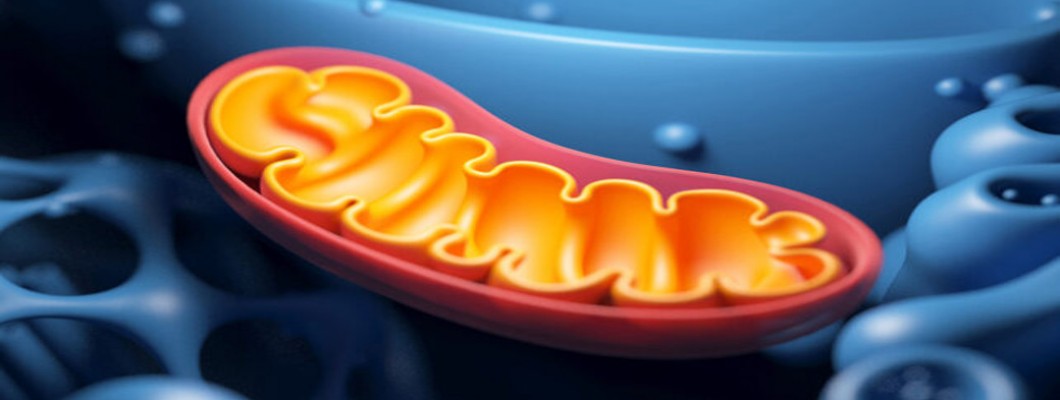
In recent years, research on healthy aging has increasingly focused on cellular energy metabolism. Among the most discussed compounds are NAD⁺ precursors such as NMN (nicotinamide mononucleotide) and NR (nicotinamide riboside), which have gained attention for their role in supporting cellular metabolism. Alongside them, another molecule—PQQ (pyrroloquinoline quinone)—has attracted scientific interest due to its unique relationship with mitochondrial function.
Rather than competing concepts, current research suggests that these compounds act through distinct but potentially complementary biological pathways. Understanding their differences may help clarify why combination strategies are being explored in aging-related research.
Understanding the Biological Roles
PQQ: Supporting Mitochondrial Quality
PQQ is a naturally occurring, water-soluble quinone compound found in small amounts in various foods such as fermented soy products, parsley, kiwi fruit, and human milk. It has been studied primarily for its role in redox balance and mitochondrial signaling.
Preclinical research suggests that PQQ may influence pathways involved in mitochondrial biogenesis, particularly those associated with cellular energy regulation. Mitochondria are essential for producing ATP, the primary energy currency of cells, and their number and efficiency tend to decline with age. From a mechanistic standpoint, PQQ appears to support cellular systems that help maintain mitochondrial function and resilience.
Importantly, much of the current evidence for PQQ comes from laboratory and animal studies, with a growing but still limited number of human trials focused on general cognitive performance and physical function.
NMN and NR: Precursors of NAD⁺
NMN and NR are derivatives of vitamin B3 and serve as precursors to NAD⁺ (nicotinamide adenine dinucleotide), a coenzyme essential for cellular metabolism. NAD⁺ plays a central role in energy production, DNA repair processes, and cellular signaling.
It is well documented that NAD⁺ levels decline with age. Research has therefore focused on whether supplying NAD⁺ precursors could help maintain normal metabolic function. Human studies have shown that NMN and NR can increase NAD⁺ levels in the body, although functional outcomes may vary depending on dosage, duration, and individual characteristics.
Rather than acting as antioxidants, NMN and NR primarily support metabolic efficiency and cellular energy availability.
Different Pathways, Shared Interest
From a scientific perspective, the interest in comparing PQQ with NMN/NR lies in their non-overlapping mechanisms:
• PQQ is associated with mitochondrial signaling and oxidative balance.
• NMN and NR are associated with replenishing NAD⁺ pools, supporting metabolic processes.
Because mitochondrial activity depends on adequate NAD⁺ availability, researchers have proposed that sufficient NAD⁺ levels may be necessary for mitochondrial biogenesis pathways to function optimally. At the same time, maintaining mitochondrial integrity may be important for efficient utilization of cellular energy.
This has led to academic discussion around multi-pathway approaches to cellular aging, rather than reliance on a single compound.
Organ Systems and Functional Research
Research exploring these compounds has examined multiple physiological systems, including cognitive function, cardiovascular health, metabolic regulation, and reproductive aging. It is important to note that:
• Many findings are derived from animal or cellular models.
• Human data are emerging but remain limited in scale.
• Results should be interpreted as supporting normal physiological function, not as treatment or prevention of disease.
In human studies, PQQ has been explored for its potential relationship with cognitive performance and fatigue, while NMN and NR have been studied for metabolic markers and muscle function in older adults.
Combination Strategies: A Research Hypothesis
Recent scientific reviews have discussed whether compounds that act on different cellular pathways could theoretically complement each other. This concept is often described as a systems-level approach to healthy aging.
At present, large-scale human trials evaluating combined use are limited. As such, combination strategies remain an area of scientific exploration rather than established nutritional guidance.
Safety and Regulatory Considerations
Safety evaluation is essential in nutrition science. Both PQQ and NAD⁺ precursors have been investigated in human studies at various intake levels, generally showing good tolerability within studied ranges. However, regulatory status and permitted use vary by region, and long-term data—especially for combination use—are still developing.
Consumers should always consider local regulations and consult qualified healthcare professionals when making decisions related to dietary supplements.
Conclusion
Current aging research is moving away from the idea of a single “anti-aging solution” and toward a broader understanding of cellular systems and metabolic balance. PQQ and NAD⁺ precursors such as NMN and NR represent two well-studied but mechanistically distinct areas of interest.
Ongoing research will continue to clarify how these pathways interact and how they may contribute to supporting normal cellular function as part of a balanced lifestyle.
Leave a Comment