
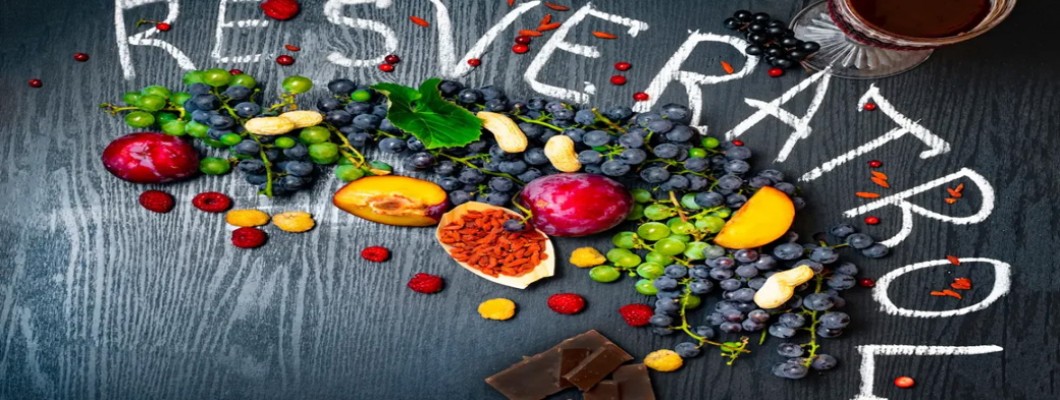
Resveratrol is a naturally occurring plant polyphenol that has attracted scientific interest for its antioxidant properties and potential role in healthy aging. Found in grapes, certain berries, peanuts and Japanese knotweed, this compound helps plants respond to environmental stress.
Researchers have explored resveratrol in relation to bone health, cardiovascular function, skin aging and liver metabolism. However, although laboratory and animal studies have identified promising biological effects, evidence of meaningful health benefits in humans remains limited.
1. What Is Resveratrol?
Resveratrol belongs to the stilbene family of polyphenols. Plants produce it as part of their natural defense response to certain environmental challenges.
It is commonly found in red grape skins and is also available in dietary supplements, either on its own or combined with other plant extracts.
Scientists are particularly interested in resveratrol because of its potential interactions with biological pathways involved in oxidative stress, inflammation and cellular metabolism. However, effects observed in laboratory experiments do not necessarily translate into the same benefits in humans.
2. Resveratrol and Bone Health
Bone tissue is continuously remodeled through the activity of bone-forming cells called osteoblasts and bone-resorbing cells called osteoclasts.
Laboratory studies suggest that resveratrol may influence oxidative stress and signaling pathways involved in these processes. Researchers have therefore investigated its potential role in maintaining bone metabolism.
However, human evidence remains inconclusive. A systematic review and meta-analysis of clinical studies found no significant overall improvement in bone mineral density at several measured sites following resveratrol supplementation.[1]
Resveratrol should not be considered a proven treatment for osteoporosis or a substitute for established approaches to bone health.
3. Resveratrol and Cardiovascular Health
Researchers have investigated resveratrol for its potential effects on blood vessel function, oxidative stress, inflammatory signaling and platelet activity.
These findings have generated interest in its possible relevance to cardiovascular health. Nevertheless, changes in biological markers do not necessarily demonstrate a reduction in heart attacks, strokes or other cardiovascular events.
Clinical findings remain mixed, and further high-quality human studies are needed. Resveratrol supplements should not replace prescribed medication or established cardiovascular care.
4. Resveratrol and Skin Aging
Ultraviolet exposure and oxidative stress contribute to skin aging, including changes in collagen and other structural components of the skin.
Laboratory research suggests that resveratrol may influence antioxidant responses and biological pathways associated with skin damage. Scientists have also investigated its interactions with enzymes involved in collagen breakdown.
Sun protection and an appropriate skincare routine remain important foundations of skin health.
5. Resveratrol and Liver Health
The liver plays a central role in nutrient metabolism and energy regulation. Experimental studies have investigated whether resveratrol influences oxidative stress, inflammatory signaling and fat metabolism in liver tissue.
Some animal studies have reported changes in markers associated with liver injury and fat accumulation. However, these findings cannot establish that resveratrol treats fatty liver disease or protects the human liver.
More robust clinical evidence is needed before resveratrol can be recommended as a treatment for liver conditions.
6. Safety and Research Limitations
Resveratrol research has several important limitations. Studies differ in dosage, formulation, duration and participant characteristics. Its absorption and metabolism also affect how experimental findings should be interpreted.
Supplementation may cause gastrointestinal discomfort, particularly at higher doses. Resveratrol may also interact with certain medications, including those affecting blood clotting.
People taking prescription medication, those with existing medical conditions, and those who are pregnant or breastfeeding should seek professional advice before using resveratrol supplements.
Conclusion
Resveratrol is an interesting plant polyphenol with potential biological effects involving oxidative stress, inflammation and cellular metabolism. Research continues to explore its relationship with bone, cardiovascular, skin and liver health.
However, promising laboratory findings should not be confused with proven clinical benefits. At present, resveratrol is not an established treatment for osteoporosis, cardiovascular disease, skin aging or liver disease.
For healthy aging, a balanced diet, regular physical activity and appropriate medical care remain essential.
Disclaimer: This article is for educational purposes only and is not a substitute for professional medical advice.
Leave a Comment