
À mesure que nous vieillissons, de nombreuses personnes commencent à sentir que leur corps ne réagit plus comme avant : récupération plus lente, fatigue accrue et plus grande vulnérabilité aux infections. Une des principales raisons de ces changements est le déclin progressif du système immunitaire, un processus connu sous le nom de vieillissement immunitaire (immune aging). Parallèlement, apparaît l’inflammaging, un état inflammatoire chronique de bas grade étroitement lié aux maladies liées à l’âge, telles que les maladies cardiovasculaires, les troubles métaboliques, et même le cancer.
Au niveau microscopique, les scientifiques ont découvert que la cause fondamentale du vieillissement immunitaire est étroitement liée aux organites responsables de l’énergie cellulaire : les mitochondries. Lorsque les mitochondries sont endommagées ou dysfonctionnelles, les cellules immunitaires perdent de l’énergie, de la résilience et leur capacité à répondre aux nouvelles menaces.
Cela soulève une question importante :
Existe-t-il une manière naturelle de soutenir la santé mitochondriale et d’aider le système immunitaire à retrouver sa vitalité ?
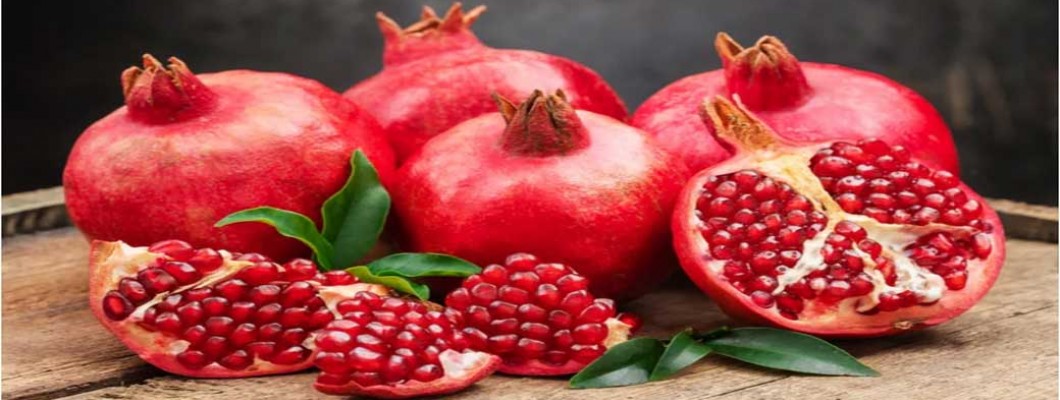
Ces dernières années, un composé révolutionnaire a émergé dans le domaine de la longévité : Urolithine A (UA). Ce métabolite naturel, dérivé des ellagitannins présents dans la grenade et certaines noix, a attiré l’attention scientifique grâce à sa capacité unique à induire la mitophagie, l’élimination sélective des mitochondries endommagées.
En termes simples, l’Urolithine A peut déclencher un « programme de nettoyage cellulaire », en instruisant les cellules à identifier et recycler les mitochondries anciennes ou dysfonctionnelles. Des études animales ont déjà montré que ce renouvellement mitochondrial peut améliorer la fonction musculaire et les performances des cellules T.
Un récent essai clinique randomisé, en double aveugle et contrôlé par placebo, publié dans la prestigieuse revue Nature Aging, a approfondi ces découvertes. Mené par Florian R. Greten et son équipe à l’Université Goethe de Francfort, l’étude démontre que la supplémentation quotidienne de 1000 mg d’Urolithine A peut améliorer significativement la fonction immunitaire chez les adultes d’âge moyen et les personnes âgées.
Un regard approfondi sur l’étude : 28 jours de supplémentation en Urolithine A
Les chercheurs ont recruté 50 adultes sains âgés de 45 à 70 ans, attribuant la moitié à l’Urolithine A et l’autre moitié à un placebo. Après seulement 28 jours, plusieurs changements remarquables ont été observés dans le groupe Urolithine A.
1. Augmentation des cellules T CD8⁺ naïves
La cytométrie en flux a révélé une augmentation significative des cellules T CD8⁺ naïves, responsables de la réponse aux nouveaux pathogènes. Ces « troupes de réserve » diminuent généralement avec l’âge, leur augmentation suggère donc une rejuvenation de la préparation immunitaire.
2. Réduction de l’expression de TOX : un marqueur d’épuisement des cellules T
TOX est une protéine bien connue associée à l’épuisement immunitaire, c’est-à-dire des cellules T « épuisées » et moins efficaces. La supplémentation en Urolithine A a réduit l’expression de TOX, indiquant un passage à un état plus jeune et fonctionnel des cellules T.
3. Augmentation de Ki-67 : activation immunitaire renforcée
Ki-67, un marqueur de prolifération cellulaire, a augmenté dans le groupe Urolithine A. Cela suggère que les cellules immunitaires sont revenues à un état actif et prêt à défendre contre de nouvelles menaces.
Comment l’Urolithine A « rajeunit » les cellules immunitaires ?
Pour découvrir le mécanisme sous-jacent, les chercheurs ont utilisé une analyse métabolique avancée au niveau de la cellule unique (SCENITH). Les résultats ont révélé un changement métabolique dramatique au sein des cellules immunitaires.
Réduction de la dépendance à la glycolyse
Les cellules T âgées ou épuisées dépendent fortement de la glycolyse, une voie rapide mais inefficace pour obtenir de l’énergie, comparable à se nourrir exclusivement de fast-food. À long terme, cela entraîne une baisse de performance et un stress métabolique.
Augmentation de l’oxydation des acides gras et des acides aminés
Après 4 semaines de supplémentation en Urolithine A, les cellules immunitaires ont moins dépendu du glucose et se sont davantage appuyées sur les voies oxydatives mitochondriales. Ce remodelage métabolique est une caractéristique des cellules T longues et performantes, capables d’une activité soutenue.
Upregulation de PGC-1α : stimulation de la biogenèse mitochondriale
Bien que le nombre total de mitochondries n’ait pas changé de manière significative, l’expression de PGC-1α, régulateur principal de la biogenèse mitochondriale, a considérablement augmenté.
Cela suggère un processus de rajeunissement en deux étapes :
1. La mitophagie élimine les mitochondries endommagées
2. PGC-1α stimule la production de nouvelles mitochondries efficaces
Résultat : des cellules dotées d’une « machinerie énergétique » plus propre et plus saine.
Amélioration fonctionnelle : réponses défensives renforcées
Avec une capacité métabolique renouvelée, les cellules immunitaires ont montré une meilleure performance fonctionnelle :
• Sécrétion accrue de TNF
Face à une infection simulée, les cellules T produisaient plus de TNF, molécule clé dans la défense immunitaire contre les cellules infectées ou tumorales.
• Amélioration de la clearance bactérienne par les monocytes
Les monocytes, les « premiers intervenants » du système immunitaire inné, ont montré une capacité accrue à ingérer et éliminer E. coli, signalant une première ligne de défense renforcée.
• Augmentation des cellules NK CD56^dim
Ces cellules tueuses naturelles sont spécialisées dans la destruction des cellules infectées par des virus ou anormales. Une proportion plus élevée reflète une surveillance immunitaire améliorée.
Le séquençage d’ARN unicellulaire a confirmé l’activation de gènes associés à la stemness, à la fonction mitochondriale et à la résilience immunitaire, tandis que les gènes liés à l’épuisement et à l’inflammation étaient réprimés.
En résumé : une mise à niveau systémique du système immunitaire
Cet essai clinique montre que l’Urolithine A peut soutenir un système immunitaire plus jeune et résilient en :
• Éliminant les mitochondries endommagées
• Soutenant la biogenèse mitochondriale
• Reprogrammant le métabolisme des cellules immunitaires
• Renforçant l’activation des cellules T
• Améliorant les réponses immunitaires innées et adaptatives
• Réduisant l’expression des gènes liés à l’inflammation
En d’autres termes, l’Urolithine A aide le système immunitaire à « se recharger » depuis l’intérieur des cellules.
Limites de l’étude
Malgré des résultats prometteurs, l’étude présente certaines limites :
• Seulement 50 participants
• Durée courte (4 semaines)
• Limité aux adultes sains d’âge moyen
Des essais plus larges et à plus long terme seront nécessaires pour confirmer la durabilité et la généralisation des résultats. Néanmoins, cette recherche offre une base convaincante pour considérer l’Urolithine A comme une approche scientifique pour soutenir un vieillissement immunitaire sain.
Conclusion
L’Urolithine A s’impose comme l’un des composés naturels les plus validés scientifiquement pour soutenir la fonction mitochondriale et lutter contre le vieillissement immunitaire. En favorisant la mitophagie, en améliorant l’efficacité métabolique et en activant des programmes immunitaires jeunes, elle constitue un moyen puissant de maintenir la résilience immunitaire en vieillissant.
À mesure que la recherche progresse, l’Urolithine A est appelée à jouer un rôle de plus en plus important dans le healthy aging, le renouvellement cellulaire et le bien-être immunitaire à long terme.
Laissez un commentaire