
In recent years, foods and dietary supplements containing cannabidiol (CBD) have become increasingly popular in the United Kingdom. Many consumers are interested in CBD products for potential wellness support, including relaxation, sleep balance, and everyday wellbeing.
As the CBD market continues to expand, ensuring the safety and quality of these products has become increasingly important. With more products available online and in stores, consumers need reliable ways to verify that what they are purchasing is accurately labeled and free from harmful contaminants. This is where laboratory testing plays a critical role.
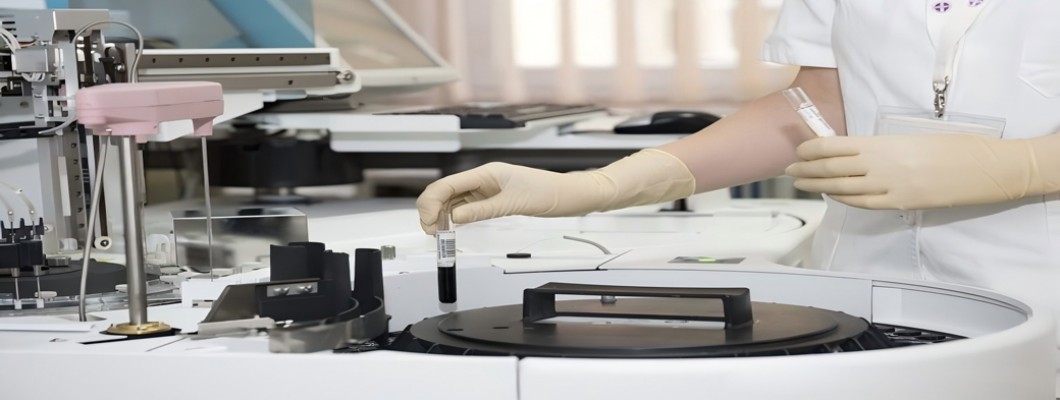
Laboratory analysis helps confirm the actual CBD content in products, detect unwanted substances, and ensure compliance with regulatory requirements. These testing processes are essential for maintaining product transparency and consumer confidence.
CBD Food Regulations in the UK
In the United Kingdom, edible products containing CBD are generally regulated as foods or dietary supplements. If a CBD product does not have medicinal authorization, it is typically overseen by the Food Standards Agency (FSA).
Since March 31, 2021, CBD foods must undergo the Novel Food authorization process to remain legally available on the market. This regulatory requirement ensures that CBD products meet safety standards before they can be sold to consumers.
The purpose of these regulations is to make sure that CBD products are properly evaluated for safety, accurately labeled, and free from restricted substances. Although CBD itself is non-psychoactive, it is derived from the cannabis plant, which means manufacturers must carefully control the presence of other cannabinoids such as THC in order to stay within legal limits.
How Laboratories Measure CBD Content
To verify CBD levels in food and supplement products, laboratories use advanced analytical technologies capable of detecting cannabinoids with high accuracy.
The testing process usually begins with sample preparation, which may include dilution or extraction techniques designed to isolate cannabinoids from the product matrix. After preparation, laboratories typically use specialized analytical methods such as liquid chromatography (LC) or gas chromatography (GC) combined with mass spectrometry (MS).
These technologies allow scientists to separate CBD from other compounds present in the sample and accurately measure its concentration. By comparing the results with the information listed on product labels, laboratories can confirm whether a product’s CBD content is correctly stated.
Accurate measurement is essential not only for transparency but also for ensuring regulatory compliance.
Testing for Potential Contaminants
In addition to analyzing CBD content, laboratories also test products for potential contaminants that could affect safety and quality.
Some of the most common testing categories include:
- Pesticide residues, which may remain from the cultivation process
- Heavy metals, such as lead, cadmium, mercury, and arsenic that plants may absorb from soil or water
- Microbial contamination, including bacteria, mold, yeast, and other microorganisms
- Residual solvents, which may be left behind after CBD extraction processes
By screening for these substances, laboratories can confirm that CBD products remain within the safety limits established by regulatory authorities.
Stability and Shelf-Life Evaluation
Another important aspect of CBD product testing is stability analysis. Over time, cannabinoids and other plant compounds may degrade, which can affect product quality and potency.
Laboratories perform stability testing by monitoring products over a defined period to observe changes in CBD concentration, cannabinoid composition, and overall product integrity. These results help manufacturers determine appropriate storage recommendations and expiration dates.
Stability testing helps ensure that consumers receive products that maintain their intended quality throughout their shelf life.
Conclusion
Laboratory testing is a fundamental component of safety and quality control in the CBD food industry. From verifying CBD concentrations to identifying contaminants and evaluating product stability, these testing procedures help ensure that CBD products meet regulatory standards and provide consumers with accurate information.
As the CBD industry continues to evolve, robust laboratory testing and strong quality assurance practices will remain essential for protecting consumers and supporting responsible market growth.
Leave a Comment